What viscosity of dimethyl silicone oil is generally used in fluid lamps for permanent display?
Fluid lamps for permanent display are mainly divided into two categories:
-
Traditional Lava Lamps: They use a mixture of mineral oil and wax, and generally do not use dimethyl silicone oil.
-
Silicone Fluid Lamps: They specially use dimethyl silicone oil as the main liquid and are suitable for permanent display. Thanks to its high chemical stability, low volatility, high temperature resistance (-50℃~+200℃) and almost unchanged viscosity with temperature variations.
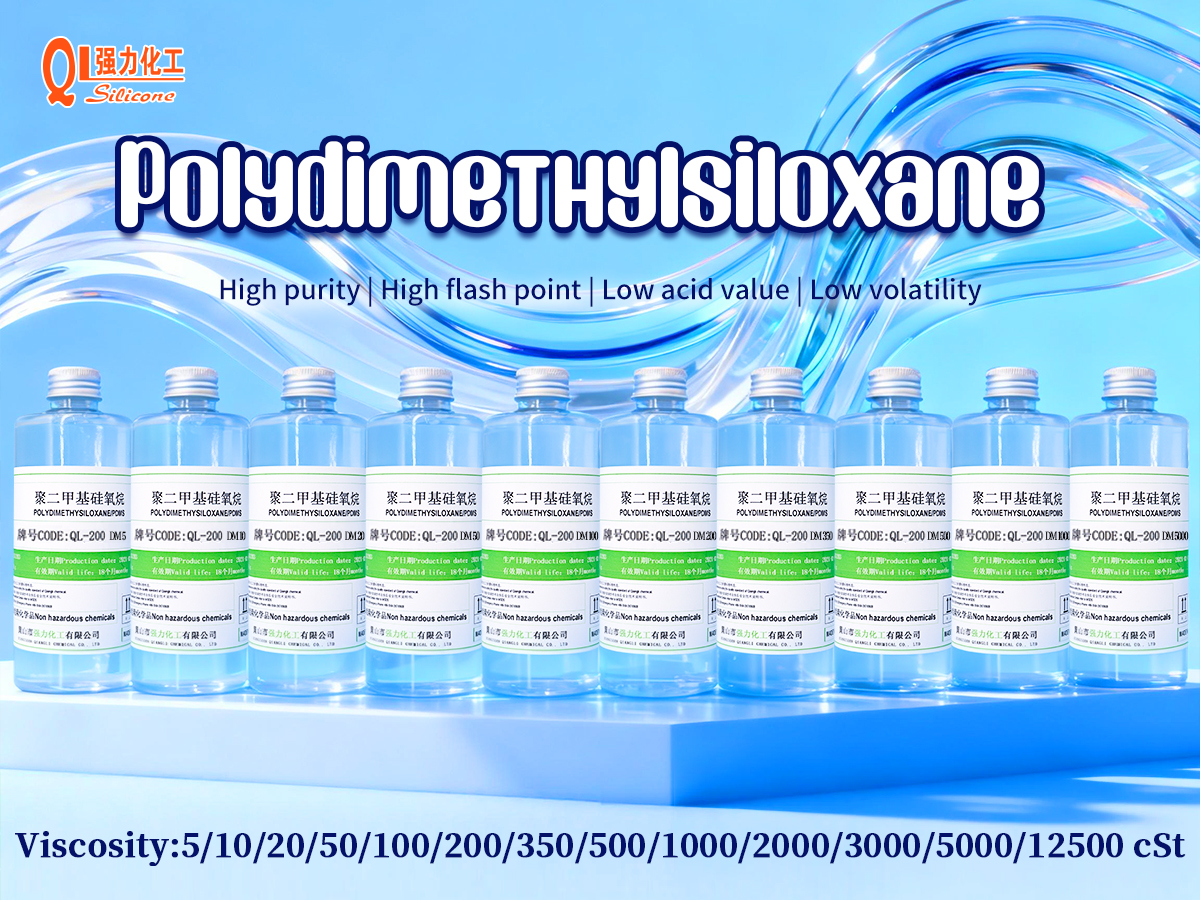
For fluid lamps intended for permanent display, it is recommended to use dimethyl silicone oil with a viscosity of 50–500 cSt (centistokes). Specific selections are as follows:
-
Stability: Silicone oil within the range of 50–500 cSt maintains an ideal balance of fluidity and stability at room temperature, ensuring the fluid lamp effect lasts for a long time without flowing too fast to cause visual fatigue.
-
Anti-aging Property: Dimethyl silicone oil in this viscosity range has extremely low volatility (≤1.5%), so it hardly diminishes or deteriorates during long-term display, guaranteeing a consistent permanent display effect.
-
Temperature Adaptability: Silicone oil has a very small viscosity-temperature coefficient. Temperature changes have minimal impact on its viscosity, allowing it to maintain stable flow characteristics across different ambient temperatures.
-
Avoid low-viscosity silicone oil (< 50 cSt): It has overly strong fluidity, making it difficult to form a stable fluid shape. Moreover, slight volatilization during long-term display may affect the effect.
-
Avoid high-viscosity silicone oil (> 1000 cSt): It is excessively thick and flows extremely slowly or even nearly stops, losing the dynamic beauty of the fluid lamp.
-
Brand Selection: It is recommended to use Type 201 dimethyl silicone oil (e.g., 201-100, 201-350, 201-500). As an industry-standard model, it offers stable performance at a moderate price.
For fluid lamps designed for permanent display, dimethyl silicone oil with a viscosity of 350–500 cSt is recommended. It achieves the optimal balance among fluidity, stability and durability, ensuring the fluid lamp retains its attractive dynamic effect during long-term display. If you need to adjust the flow speed, you can choose a viscosity within the range of 50–1000 cSt: the higher the viscosity, the slower the flow; the lower the viscosity, the faster the flow.




 Links
Links